
Stand Up Paddle & Snorkel Island Hopping Expedition

17-23 April 2026
7 DAYS / 6 NIGHTS

SAN CRISTÓBAL – ISABELA

A Galápagos SUP and Snorkel Adventure

Glide along crystal clear coastlines with playful sea lions alongside you, snorkel among rays, reef sharks, and curious marine iguanas, and wander volcanic islands alive with blue-footed boobies, Darwin’s finches, and giant tortoises. Explore two distinct Galápagos islands by paddleboard, immersing yourself fully in the archipelago’s extraordinary wildlife and landscapes. From hidden coves to dramatic volcanic seascapes alive with marine life, this trip is not to be missed! 

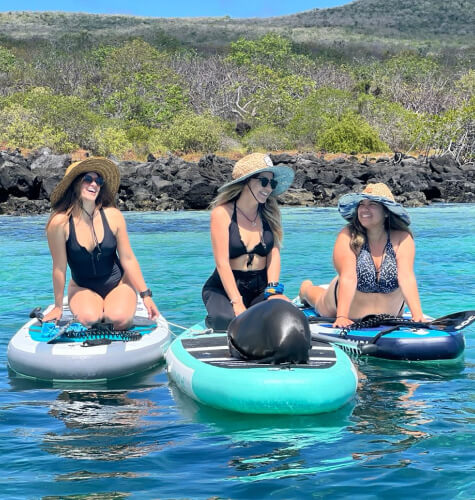
Travelers paddling on stand-up paddleboards with a sea lion nearby during a Galápagos SUP expedition
WHAT’S INCLUDED
  • Six nights oceanfront and central accommodation
  • Breakfast, snacks, and lunch
  • Board rental for SUP activities
  • Support vessel for longer SUP mission
  • Boat charter day to snorkel around amazing volcanic lava formations
  • Boat charter day to snorkel at one of the most renowned dive and snorkel sites in the archipelago
  • Snorkelling expeditions to numerous remote locations
  • Hiking adventure to active volcano
  • Visit to tortoise breeding centre
  • Two scenic inter island flights
  • All transfers on the islands
  • She SUP host, Tour Leader and Local Galápagos Naturalist Guide,
  • Pre organised Galápagos Transit Control Card
  • Video/photo package
  • Shared Room (3 people): $4,000 USD per person 
  • Shared Double/Twin Room: $4,100 USD per person 
  • Private Room: $4,300 USD
  • International flights to and from Ecuador
  • Domestic flights to and from San Cristobal (SCY) , Galápagos
  • Galápagos National Park Entrance Fee ($200 USD per person payable at airport upon arrival)
  • Travel insurance 
  • Dinners and alcoholic beverages (dinner options ranging between $6-$30 USD)
  • Spending money for souvenirs

This trip is a collaboration with SHE Sups

HOSTED BY

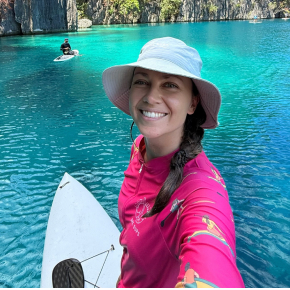
Vicky, host of the Galápagos SUP and Snorkel Island Hopping Expedition, in the natural surroundings

Vicky

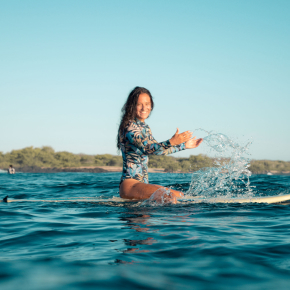
Carolina, Isla Expedition owner surfing in Galápagos

Carolina

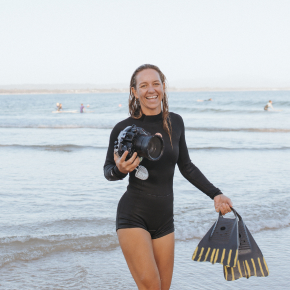
Hannah, owner of Tidal Flow Travel in the beach

Hannah

JOIN THE WAITLIST

The 2027 expedition!

NAME

PHOTO GALLERY

What to expect...

Have questions?

FAQ's

Find all the answers here to plan your perfect Galápagos adventure.

How do I get to the Galápagos Islands from Australia?

Travelling to the Galápagos from Australia involves a few international connections, but with good planning, it’s very straightforward.

Recommended flight route:

Australia → Santiago (Chile) → Quito or Guayaquil (Ecuador) → San Cristóbal or Baltra (Galápagos)

We strongly recommend staying one night in Quito or Guayaquil before flying to the Galápagos. This allows for smoother connections and helps reduce travel fatigue after long-haul flights.

Your arrival airport will depend on where your specific expedition begins.

Once your trip is confirmed, we’ll provide clear flight guidance and timing recommendations to make your journey as smooth and stress-free as possible.

Visa requirements depend on your passport and any countries you transit through on your way to Ecuador.

If you’re travelling from Australia, you may require transit visas for countries such as Chile or the USA, depending on your route and passport.

Ecuador also requires proof of onward or return travel upon entry.

It is your responsibility to ensure you hold the correct visas for all countries on your itinerary. We strongly recommend checking official government websites or speaking with your travel agent well in advance of departure.

✔ Included in your trip price

All visitors to the Galápagos require a Tourist Transit Control Card (TCT). This system helps local authorities manage and protect travel throughout the islands.

Your TCT is included in your package and organised on your behalf. Prior to your trip, we’ll request your flight details so we can prepare everything in advance.

On the morning of your flight to the Galápagos, a representative will meet you at the airport in Quito or Guayaquil, provide your Transit Control Card, and assist with check-in—ensuring a smooth and stress-free departure.

✖ Not included in your trip price

The Galápagos National Park Entry Fee is a mandatory conservation tax paid on arrival in the islands.

  • $200 USD per person (for international visitors, effective August 2024)
  • Payable in cash only at the airport upon arrival
 

This fee plays a vital role in protecting the Galápagos ecosystem. As stated by the Galápagos National Park:

“Funds from the tourist entry tax are used to finance the conservation of terrestrial and marine biodiversity and to benefit the local community.”

By visiting the Galápagos, you are directly contributing to the preservation of one of the most extraordinary ecosystems on Earth.

Yes. Travel insurance is mandatory for all trips to the Galápagos.

Your policy must include:

  • Water-based activities (snorkelling, surfing, paddleboarding, kayaking)
  • Trip cancellation coverage
  • Medical and hospitalisation coverage


We strongly recommend arranging insurance well in advance to ensure full coverage for all planned activities.

For the water activities. We recommend bringing: 

  • Reef-safe sunscreen, zinc, long-sleeve rash vest, hat, sunglasses
  • Mask, snorkel, fins
  • Spring suit or 3/2mm wetsuit (depending on season)


*Wetsuits and snorkelling gear are provided on boat days, but bringing your own ensures the best fit and avoids rental needs on beach days.

For the on land & travel essentials. We recommend bringing: 

  • Passport (valid for at least 6 months), flight tickets, insurance documents
  • USD cash + Wise card
  • Waterproof bag, spray jacket, casual clothing
  • USA power adapter (Type A/B)
  • Prescription medication if needed


Packing tips:

  • Compress wetsuits using laundry or vacuum bags
  • Bring two pairs of shoes: sandals + runners
  • Use a dry bag for valuables
  • Keep toiletries small to travel light

The Galápagos is one of the most biodiverse places on Earth, and island hopping allows you to experience extraordinary marine and land wildlife, often within the same day.

In the ocean, you may encounter:

  • Sharks, including Hammerheads, Galápagos Sharks, Blacktip and Whitetip Reef Sharks
  • Rays such as Manta Rays, Eagle Rays, Mobula Rays and Stingrays
  • Galápagos Penguins: the only penguins found on the equator!
  • Green and Hawksbill Sea Turtles
  • Galápagos Sea Lions
  • A wide variety of reef fish and temperate coral species
 

On land, you may see:

  • Giant Galápagos Tortoises in their natural habitat
  • Marine Iguanas found nowhere else on Earth
  • Birdlife including Blue-footed and Nazca Boobies, Frigatebirds, Storm Petrels and nesting owls
  • Darwin’s Finches and Galápagos Mockingbirds
  • Flamingos in coastal lagoons
  • The critically endangered Vermilion Flycatcher
  • Endemic lava lizards and unique Galápagos vegetation
 

Each island has its own ecosystem, so wildlife encounters vary day to day. This diversity is what makes the Galápagos so extraordinary. Our itineraries are carefully designed to maximise wildlife experiences while respecting the strict conservation rules that protect these species.

We don’t schedule formal “rest days” during our expeditions, as we want you to make the most of your time in the Galápagos.

That said, evenings are free, giving you space to unwind, explore town, or enjoy dinner at your own pace. Activities are also designed with flexibility, and there’s always room to slow things down if needed.

Yes. If you’d like to extend your time in the Galápagos, we’re happy to organise a custom extension tailored to your interests.

Whether you’d like more surfing, diving, island exploration, or simply extra time to relax, we’ll help design an extension that fits seamlessly with your trip.

Yes. We strongly recommend arriving with USD cash.

  • $200 USD cash is required for the Galápagos National Park Entry Fee in the airport
  • Many local restaurants and small businesses accept cash only
  • ATMs are available but can be unreliable or run out of cash


We suggest bringing enough cash to comfortably cover dinners, small purchases, and souvenirs. A Wise card is also a great option for lower fees.

We recommend packing as light as possible, however we understand that a 13kg limit can feel restrictive, especially on longer trips.

If your luggage is only slightly over the limit, you can usually pay for the additional weight at the airport, subject to availability and airline discretion.

Alternatively, we can arrange for an extra bag to be sent via ferry between islands. Please note that ferry luggage transfers are not guaranteed to arrive on the same day, so this option is best suited for non-essential items.

We’ll guide you on the best option based on your itinerary to ensure your trip runs as smoothly as possible.

April falls during the transition between the warm and cool seasons, creating some of the most dynamic conditions in the Galápagos.

During this time, both terrestrial and marine life are highly active, offering exceptional wildlife encounters on land and in the water.

From January to May, the Galápagos typically experiences:

  • Warmer, sunnier conditions
  • Less wind
  • Calmer ocean conditions, ideal for snorkeling, diving, and island hopping

In contrast, June to December marks the cooler, drier season, when the Humboldt Current brings cooler water temperatures and choppier seas.

April strikes the perfect balance—great weather, active wildlife, and comfortable ocean conditions—making this month an ideal time for an immersive Galápagos experience.

In April, the water temperature in the Galápagos averages around 24°C.

We recommend packing a 3/2mm wetsuit for longer sessions, along with a wetsuit top or spring suit for shorter snorkelling sessions.

The air temperature is typically warm and comfortable, ranging from 22–29°C, making it ideal for both water activities and exploring on land.

Dinner prices in the Galápagos vary depending on where you choose to eat.

  • Local eateries:$6–$12 USD
  • Mid-range cafés and restaurants: $12–$20 USD
  • Waterfront or Western-style restaurants:$25–$30 USD


There are plenty of excellent, affordable local options, so you can easily choose what suits your budget and appetite each evening.

Spanish is the official language of the Galápagos Islands.

Many people working in tourism speak some English, but learning a few basic Spanish phrases will greatly enhance your experience. We recommend downloading an app like Duolingo before you arrive—it’s an easy and fun way to get started.